Two properties at the same finish level can differ by a wide margin per square foot, and almost none of the difference is about the finishes.
Owners are often surprised that a villa costs more per square foot than an apartment of similar specification. The reason is that a villa carries a large amount of cost that produces no additional usable floor area.
Where the difference comes from
| Driver | Effect on cost |
|---|---|
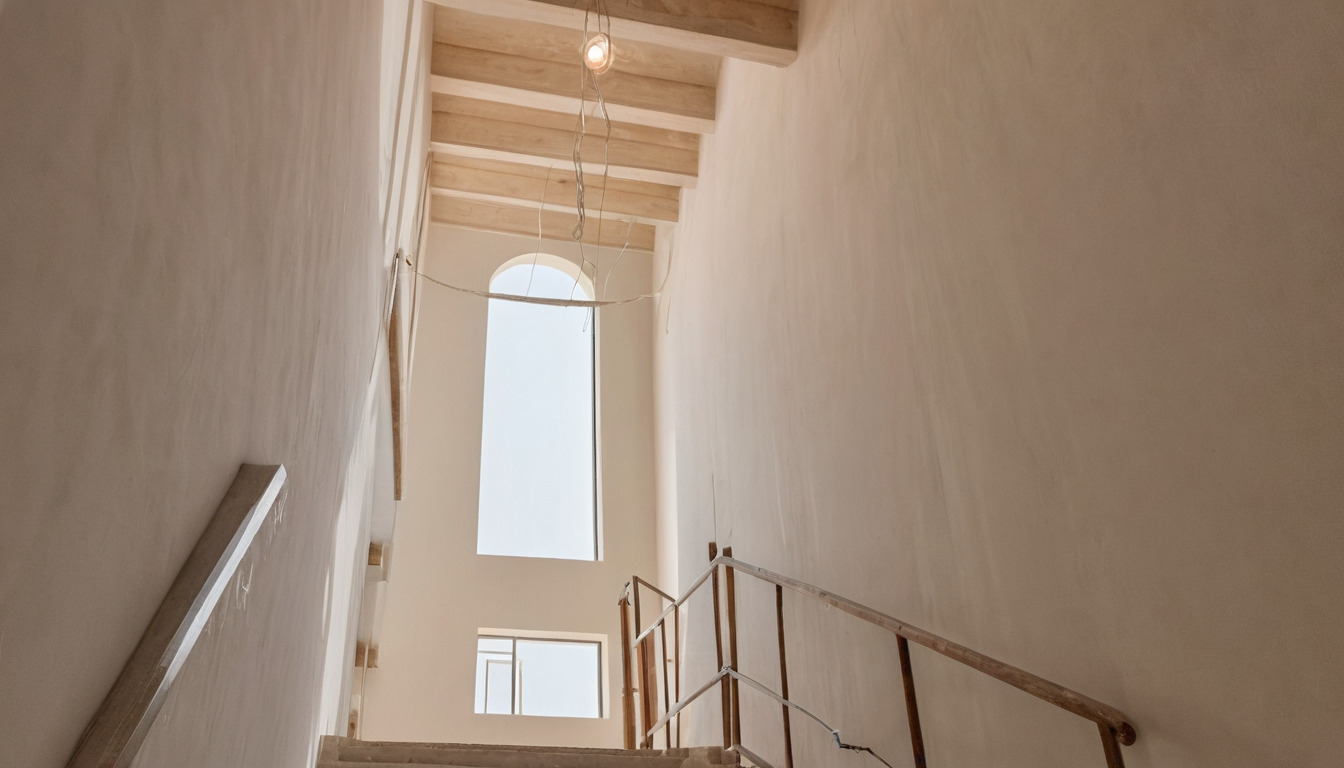
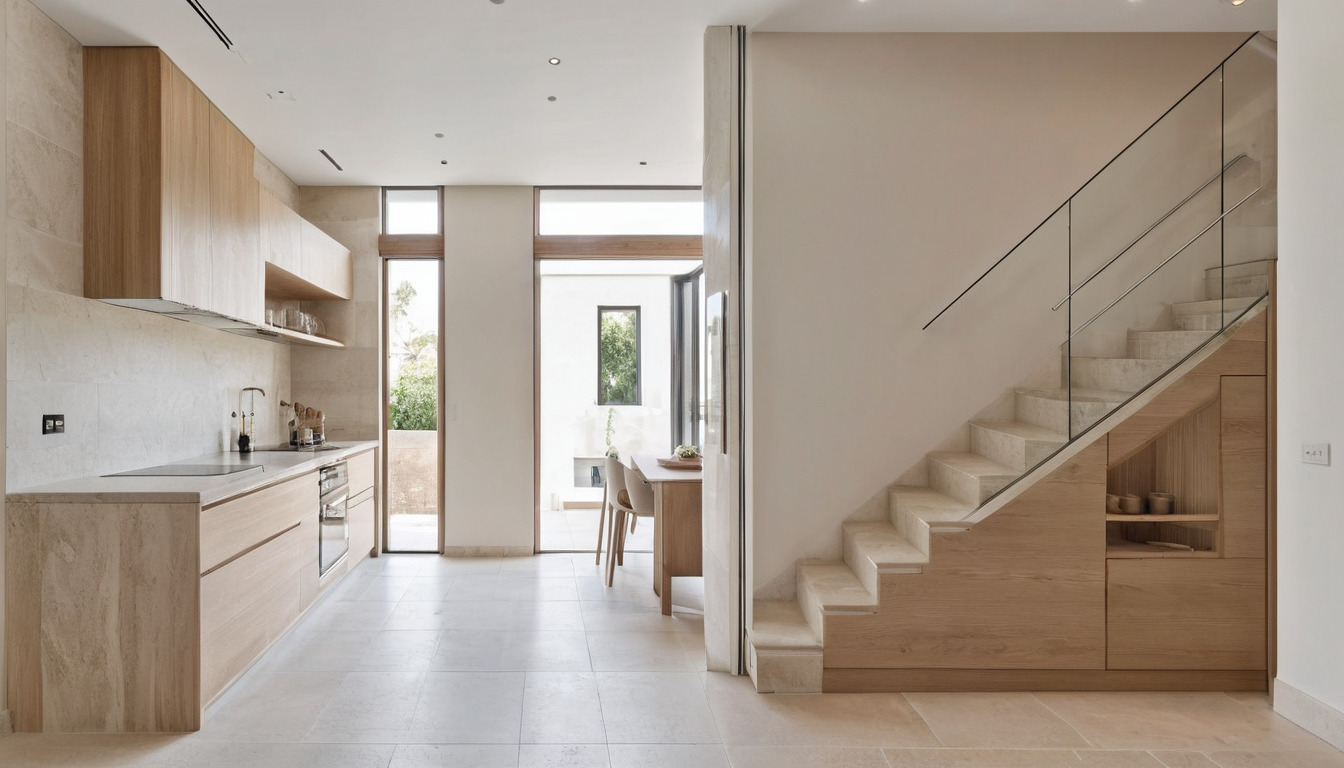
| Multiple floors | Stairs, landings, additional circulation area, and services that must be distributed vertically |
| External works | Landscape, boundary walls, gates, external lighting, irrigation, pool and pool plant |
| Roof and waterproofing | A roof is a villa's responsibility. In an apartment it belongs to the building |
| Larger MEP scope | More air conditioning capacity, more distribution, more drainage runs, often a larger electrical supply |
| Facade and external joinery | Doors, shading, screens and metalwork exposed to salt and sun — see the corrosion guide |
| Site establishment | Scaffolding, hoarding, temporary services, site welfare, storage and security |
| Longer programme | More packages sequenced over more weeks, each needing supervision |
| Structural scope | Villas are more often modified structurally, which brings engineering, permits and temporary works |
A villa quotation may include external works, waterproofing or larger services that an apartment quote excludes. Compare the written scope before comparing rates per square foot.
Where an apartment is more expensive
Apartments are not uniformly cheaper. They have their own cost drivers, mostly around access and constraint:
- Lift and access restrictions. Materials arrive by booked service lift. Anything that does not fit has to be carried, and manual handling is charged.
- Working hours. Towers permit noisy work only in defined windows. A five-day programme can become a two-week programme, and preliminaries are charged per week.
- Protection requirements. Common areas must be protected to a building standard, and that protection is installed and removed at your cost.
- Deposits and insurance. Building-specific insurance and refundable deposits are normal.
- Out-of-hours premiums. If the programme requires weekend or evening work, the labour rate rises.
- Fixed services. You cannot relocate a riser or resize shared cooling, so the design must work around them — which sometimes means a more expensive solution to a problem a villa would not have.
Comparing two quotations fairly
If you are comparing a villa quote with an apartment quote, or comparing two contractors on the same property, the per-square-foot number is close to meaningless unless the inclusions match. Ask each contractor to itemise:
- Preliminaries and site establishment
- Demolition and waste removal, including how waste leaves the site
- MEP scope, and specifically what is relocated versus reused
- Joinery: supply only, or supply and install, and from whose workshop
- Finishes: supply and install, with named products and grades
- Sanitaryware and ironmongery: included or client-supplied
- Authority fees and consultant fees: included or excluded
- Provisional sums, and what they cover
- Defects liability period
Provisional sums are the usual hiding place. A quote with large provisional sums is not a cheaper quote — it is a quote that has not been finished. Ask for each one to be resolved or for a firm allowance in writing.
Which is better value?
Neither, as a generalisation. Per square foot an apartment usually wins because the building carries the roof, the facade, the common areas and the primary cooling. Per unit of usable freedom a villa wins, because you can change almost anything and are not answering to an owners association about the facade.
The practical question is which costs you are willing to own. In an apartment you pay less and control less. In a villa you pay more and control more. Both are reasonable answers; neither is a bargain.
- www.yallarenovation.com/post/how-much-does-interior-remodeling-cost-in-dubai
- markfitout.com/interior-design/how-much-does-an-interior-design-cost-in-dubai/
- www.euphoriainteriors.com/interior-design-fees-per-square-foot-dubai/
- pinetreelane.com/interior-design-cost-in-dubai/
- htsinteriors.com/how-much-does-a-fit-out-cost-in-dubai/
- fixitdubai.ae/house-renovation-cost-in-dubai/