Coastal guides
Specifying interiors for a hot, humid, salty climate
Coastal interiors need attention to moisture, salt exposure and solar heat. Conditions vary by building, orientation and ventilation; use these guides to identify questions for your designer and contractor.
Moist air reaching cold surfaces can cause condensation, while salt exposure can accelerate corrosion. Design, installation and maintenance all affect the result. Check the actual exposure and the product manufacturer's requirements before choosing a specification.
Humidity and materials
Dubai International Airport reports an annual average of 54% relative humidity for 1992–2021; conditions in Jebel Ali can differ. How to check moisture risks for joinery and finishes.
Salt air and metals
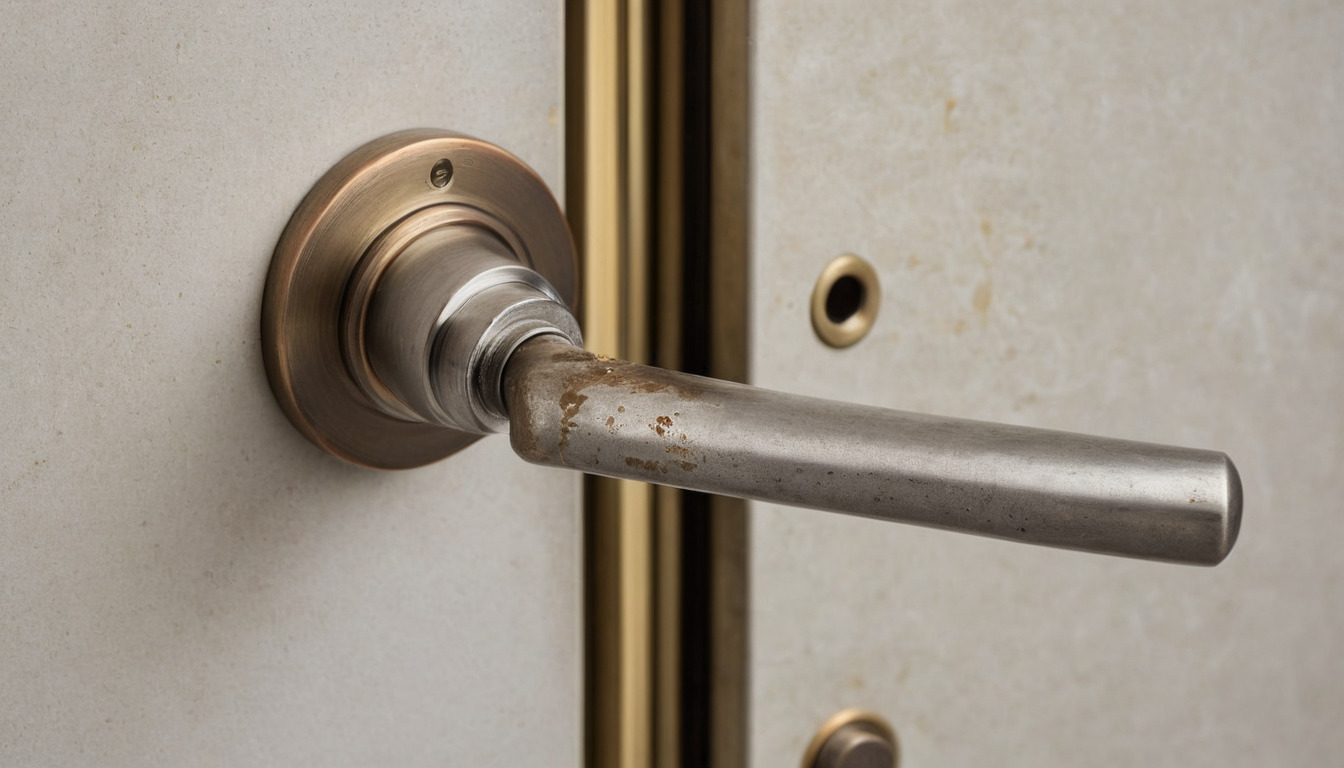
How exposure and maintenance affect plated hardware, stainless steel and brass, with a practical specification table for door furniture, fixings and external metalwork.
Stone, tile and timber
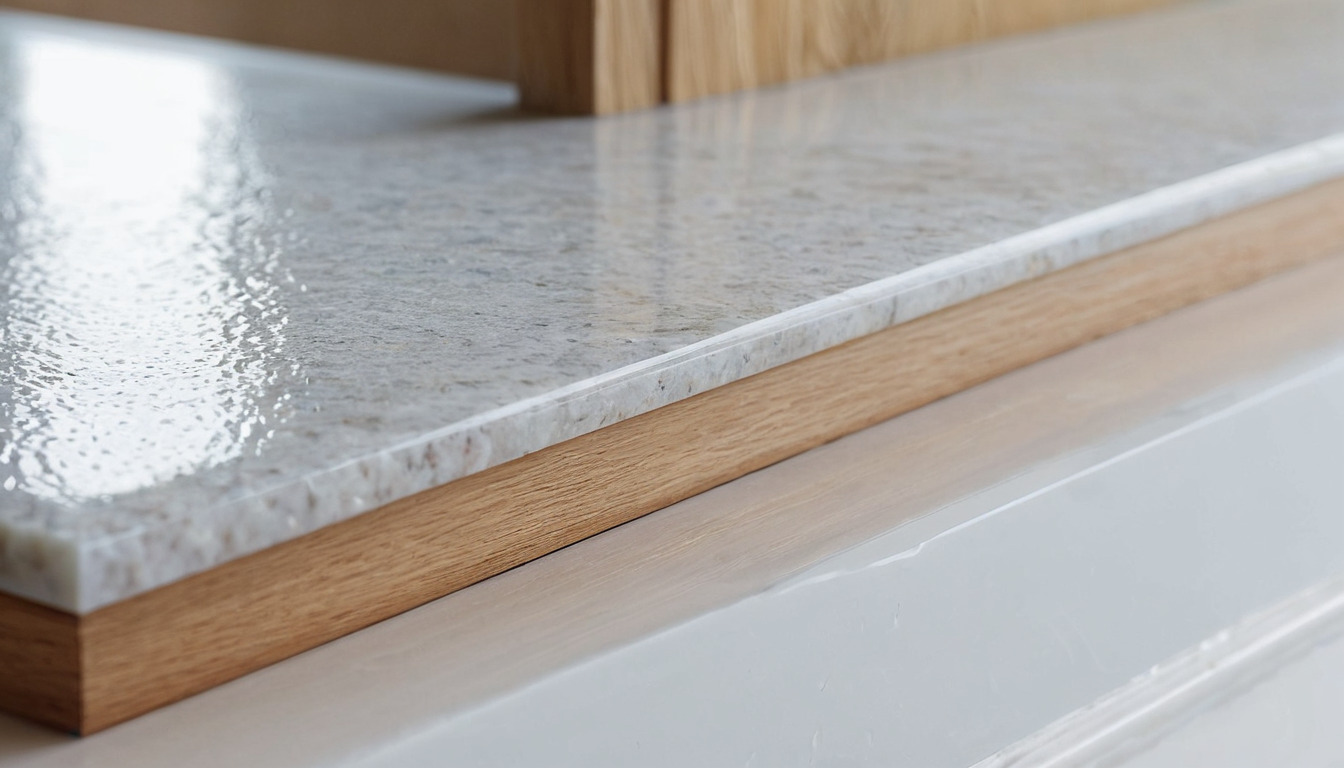
Honed limestone, porcelain, engineered oak and solid timber compared for thermal behaviour, moisture movement and maintenance in a hot humid coastal villa or apartment.
Textiles and UV
Why fabrics fail on the west elevation, how UV and heat degrade fibre and dye, and what to specify for curtains, upholstery and rugs in a high-sunlight interior.
Glazing and shading
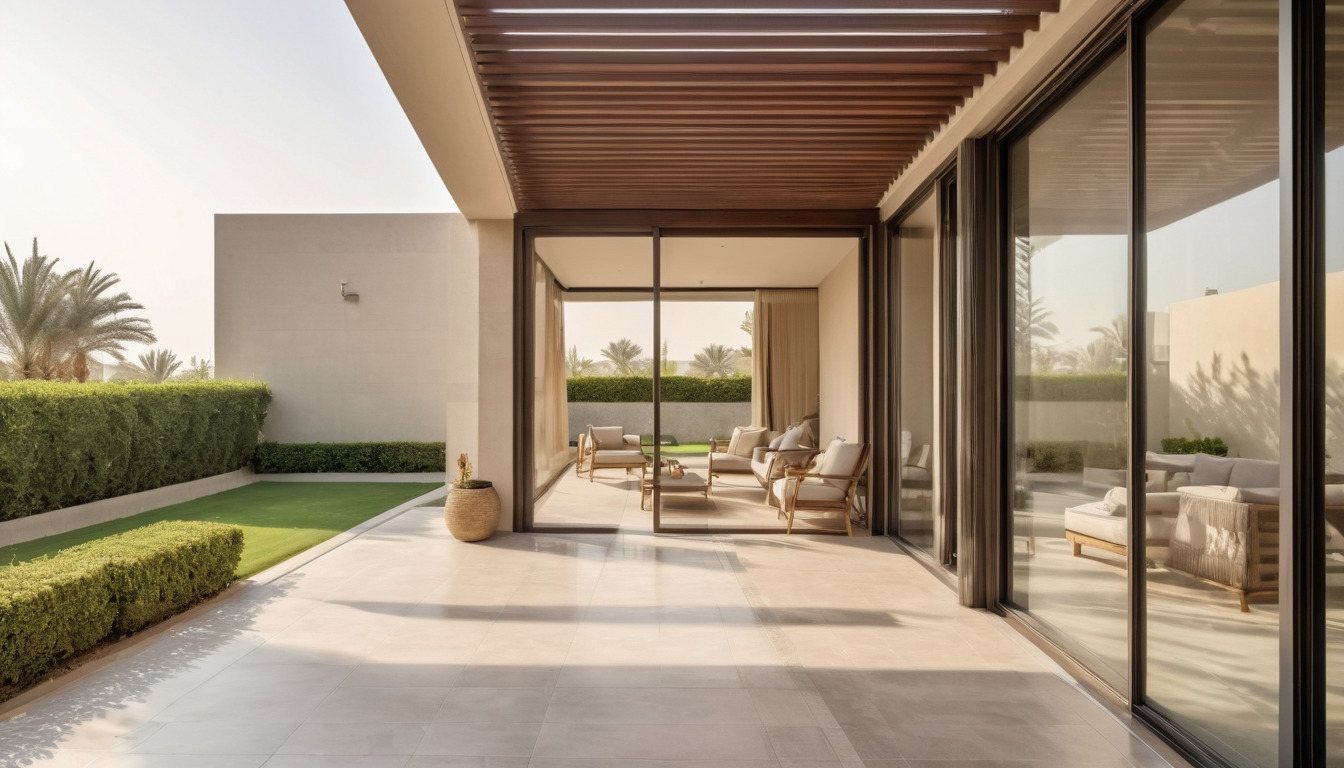
Solar gain through full-height glazing, what low-E and tinted glass actually do, and how external shading, reveals and louvres compare for a Dubai waterfront property.
Ventilation and mould
Why a tightly sealed air-conditioned villa develops mould, how bathroom and kitchen extraction should be specified, and what humidity a home should actually be held at.
Condensation depends on the temperature and humidity of the air touching a surface. Outdoor humidity alone does not describe conditions inside an air-conditioned room.
Reading order
If you are at the start of a project, read them in this order:
- Humidity and materials — the mechanism behind most failures, and the specification discipline that prevents them.
- Glazing and shading — the decision that most affects comfort, and the one hardest to reverse.
- Salt air and metals — cheap to get right at specification stage, expensive to remediate.
- Stone, tile and timber — floor choices, which are thermal decisions before they are aesthetic ones.
- Textiles and UV — soft furnishing, where orientation decides lifespan.
- Ventilation and mould — the systems that remove internally generated moisture.
Climate figures are cited to named stations on each page. Material behaviour described here is standard architectural practice for marine-exposed buildings. Where a figure is not from a cited source it is written as a comparison or a rule of thumb, not as a measured value — see methodology.