Indoor mould needs moisture. A leak, condensation or insufficient ventilation may be involved; identify the source before repair.
Air sealing can reduce uncontrolled airflow, but a home still needs suitable ventilation and moisture control. Showers, cooking, drying laundry, breathing and a tank aquarium all add water to the air.
What humidity to hold
The US EPA advises keeping indoor relative humidity below 60% if possible, ideally between 30% and 50%, to reduce mould risk. Measure the room: a humidity reading alone does not diagnose the source of moisture on a particular surface.
Showers and cooking add moisture indoors. The EPA advises venting kitchen and bathroom moisture to the outside where possible. Measure humidity and inspect the actual moisture path rather than assuming which room caused a mould patch.
Extraction that works
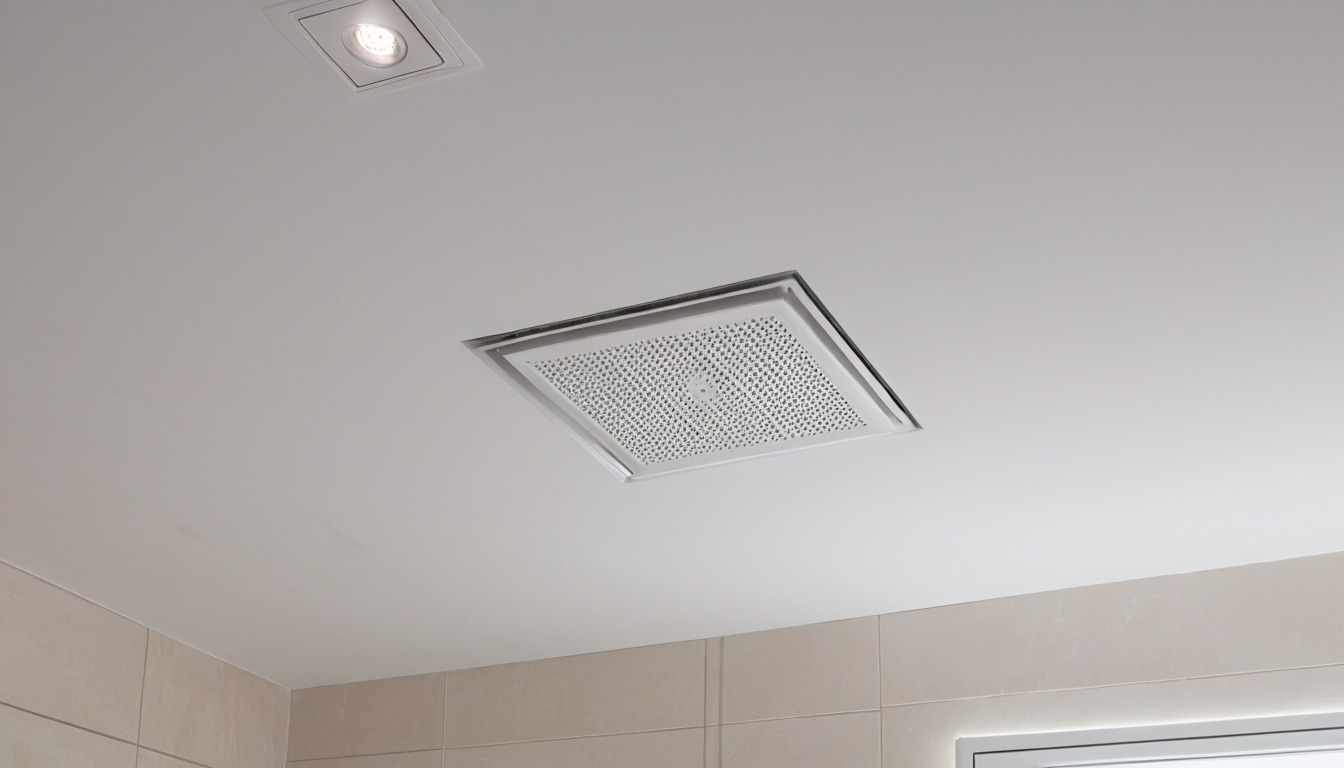
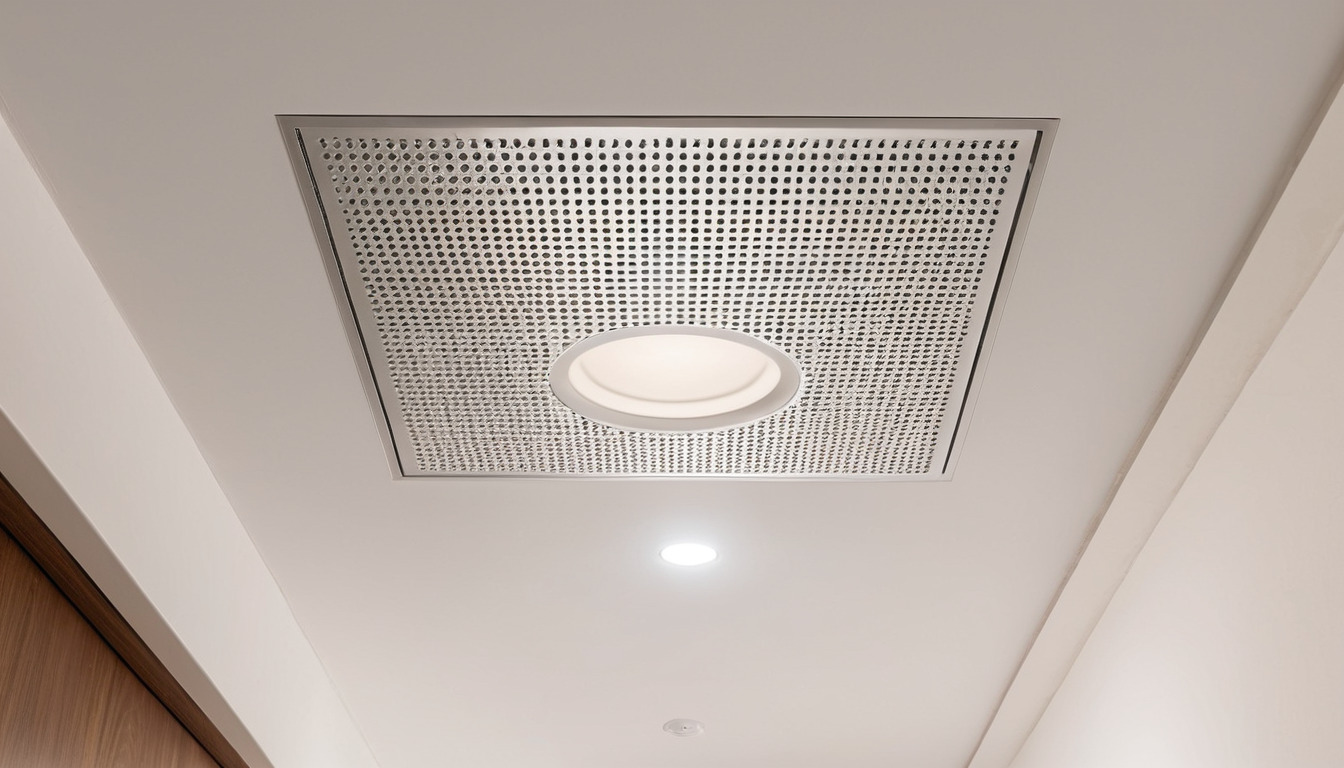
- Bathroom fans must be sized and ducted, not just fitted. A fan that vents into a ceiling void may leave moisture in the building; verify that the duct terminates outside where required.
- Sizing, ducting and controls all matter. Ask the ventilation designer whether a run-on timer or humidity control suits the room and the fan capacity.
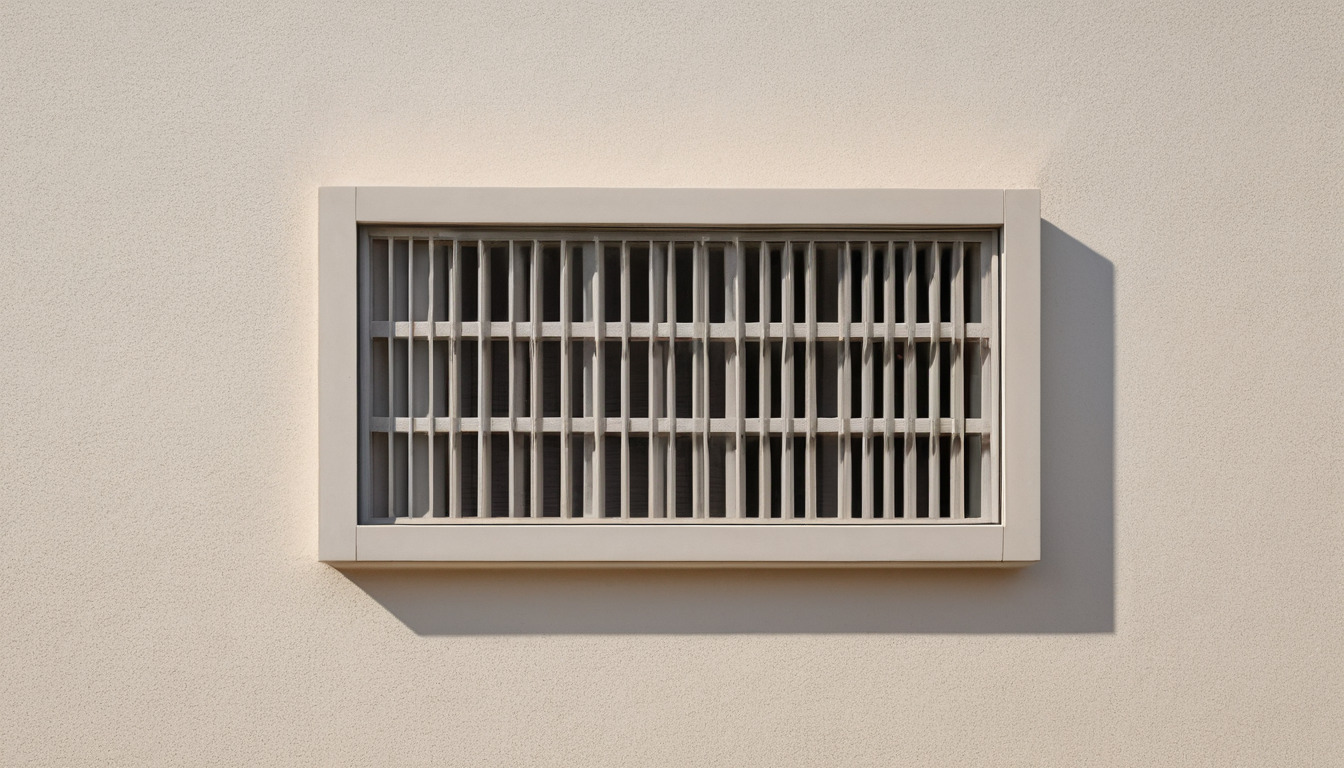
- Kitchen extraction should vent externally. A recirculating hood does not exhaust cooking moisture outdoors. Check whether an external extract is possible and permitted.
- Make-up air has to come from somewhere. An extract fan needs a make-up air path. Have the ventilation designer check transfer air and pressure.
- Utility and laundry rooms also need a ventilation check. A tumble dryer vented into the room is a substantial internal moisture load.
Check that the duct is actually connected. A fan that is disconnected or vents into a ceiling void can leave moisture in the building. Ask the inspector to verify the duct route.
What the air conditioning does and does not do
Cooling equipment may also remove moisture as air passes a cold coil. If rooms feel humid despite cooling, ask an HVAC specialist to assess sizing, runtime, ventilation and condensate drainage.
The condensate that forms on the coil has to drain. A blocked condensate line can cause leaks. Check the equipment maker's maintenance schedule and investigate any staining.
When mould is already there
- Find the moisture source first. Treating mould without addressing moisture risks recurrence.
- Establish whether it is a leak or a cold bridge. Leaks and condensation can produce similar staining. Inspect moisture sources, surface temperature and ventilation before diagnosing the cause.
- Dry the assembly before redecorating. Painting over a damp substrate traps it.
- Follow EPA guidance for cleaning or replacing porous material according to the extent of mould and damage.
- Choose the repair and paint system after the moisture source and wall assembly are assessed.
For mould behind a wardrobe, check for leaks, condensation and airflow. Moving furniture away from a cool wall can improve circulation, but the source of moisture still needs to be identified and addressed.