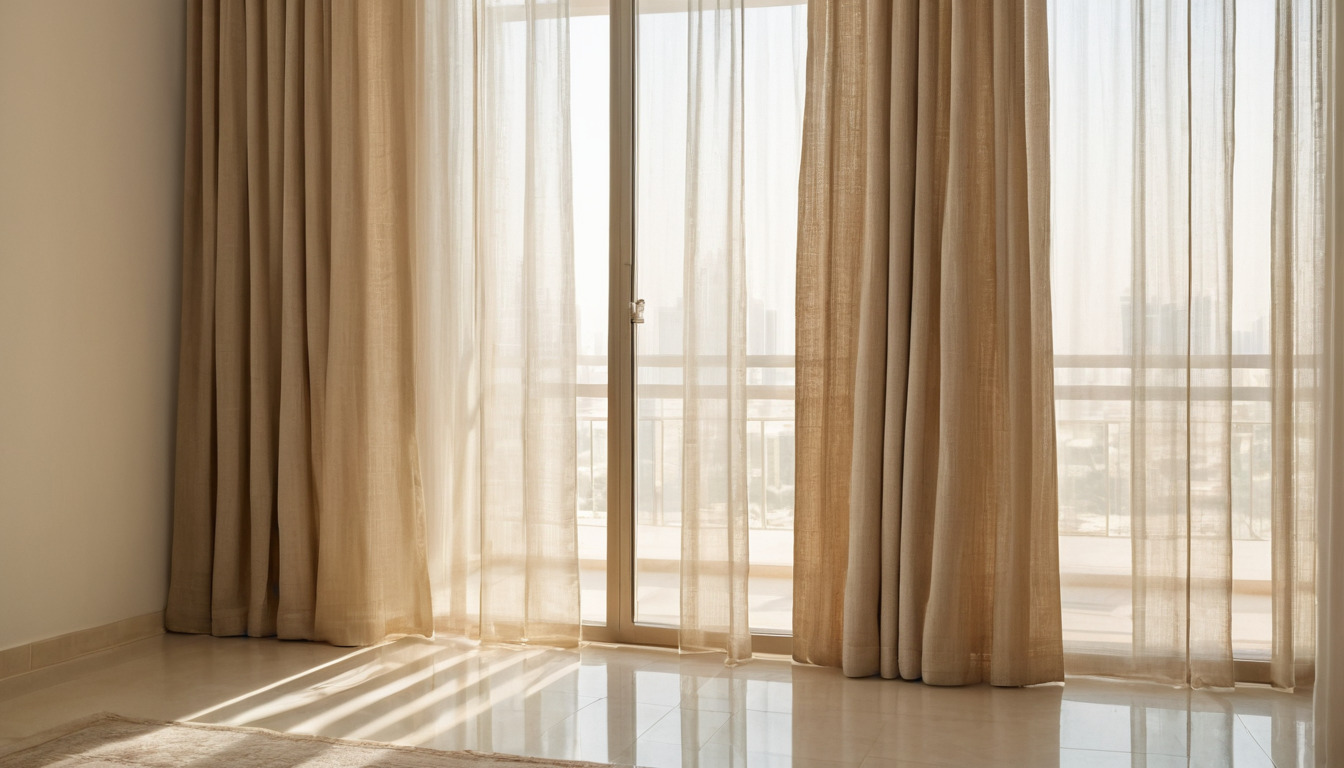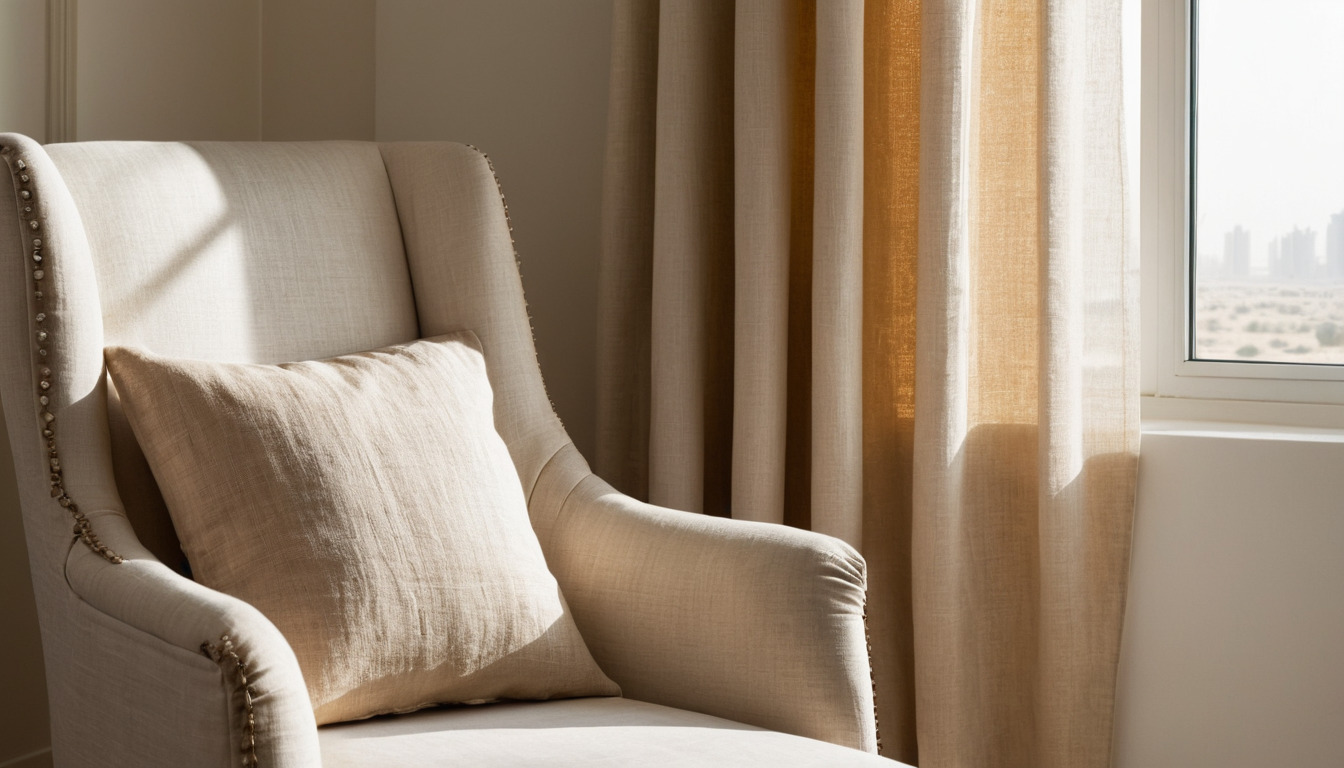
Direct sun can fade exposed textiles; the rate depends on the glass, shading and fabric.
Light exposure can fade dyes and damage fibres. UV transmission depends on the glazing and any coating or film; ask for product data rather than assuming a standard window blocks or passes a fixed amount.
Orientation and shading
Check when direct sun reaches the actual window and where furniture will sit. Orientation matters, but neighbouring buildings, glazing and shading can change exposure.
| Orientation | Solar load | What to do |
|---|---|---|
| West | Check low-angle afternoon exposure | Consider shading and request fabric lightfastness data |
| East | Check morning exposure | Check shading needs and fabric rating |
| South | Check overhang and seasonal exposure | Assess shading against the actual window |
| North | Exposure varies with season and surroundings | Check light exposure before selecting valuable fabrics |
Fibre choice
- Solution-dyed acrylic may be offered for sun-exposed upholstery. Compare the specific fabric's tested lightfastness and cleaning instructions.
- Polyester properties vary by weave, dye and finish. Ask for lightfastness data.
- Linen may crease and fade in direct light. Assess exposure and any lining.
- Cotton can fade in sunlight. Check the dye and care label.
- Silk and wool need product-specific light and care guidance before use in direct sun.
Ask how the fabric is coloured and request a tested lightfastness rating. Solution-dyed products such as Sunbrella incorporate pigment before the fibre is spun, but product performance still needs checking.
Curtains, sheers and tracks
A lined curtain with a UV-blocking interlining does two jobs at once: it protects the face fabric from the inside, and it cuts solar gain entering the room, which reduces cooling load. The effect on cooling depends on the window and shading; this site has not measured a saving.
Sheers can fade or wear in direct sun. Ask for their lightfastness and care instructions.
Hardware deserves the same attention as the salt-air guide gives to ironmongery. Check the track's load rating and corrosion suitability where it is exposed to moisture or salt.
Rugs and upholstery
Rugs in direct sun fade unevenly, which is more noticeable than even fading. Rotating a rug may even out exposure. Compare fabric lightfastness rather than assuming one fibre will outlast another.
Upholstery in a high-humidity interior also needs to breathe. A foam cushion wrapped in a non-breathable membrane against a cold wall can hold moisture and develop an odour. Ask for removable covers wherever the piece will get real use — not for cleaning convenience alone, but because a cover you can wash is a cover you will actually keep.
Shade first, fabric second
External shading can reduce solar exposure before it passes through glass. Compare its effect with the actual glazing and room geometry. See the glazing and shading guide for how the options compare, because in a villa the shading decision and the textile decision are really one decision.