Salt exposure varies by distance, wind, shelter and cleaning, so exterior hardware needs a site-specific choice.
Salt exposure depends on a balcony's position, wind and cleaning. The 1992–2021 Dubai International Airport series reports 54.4 mm annual precipitation, but the station is 43 km from Jebel Ali Free Zone and the annual total does not tell us how often a particular fitting is rinsed by rain. Inspect and clean exposed fittings as their maker recommends.
Dissolved salt is an electrolyte. If dissimilar metals make electrical contact and stay wet with a conductive solution, galvanic corrosion can occur. The risk depends on the materials and detail.
What actually holds up
| Material | Behaviour at the coast | Verdict |
|---|---|---|
| 316 / 316L stainless (marine grade) | Molybdenum addition resists chloride pitting | Candidate for exposed exterior components; verify grade and maintenance |
| 304 stainless | Can stain or pit under some chloride exposures | Assess exterior exposure before selection |
| Solid brass, unlacquered | May develop a patina; performance depends on alloy and exposure | Expect colour change; inspect the actual product |
| Solid brass, lacquered | Coating wear can change appearance | Check coating durability and repair method |
| Chrome-plated zinc alloy (Zamak) | A breached coating can allow zinc-alloy corrosion or finish failure; zinc does not form red iron rust | Check manufacturer exterior rating and warranty |
| Powder-coated aluminium | Durability depends on alloy, pretreatment, coating and maintenance | Request coating-system specification for the exposure |
| Mild steel, painted | Can rust at chips and cut edges | Ask for a corrosion-protection system rated for the location |
A mixed-metal assembly is not automatically a corrosion failure. Ask the supplier to confirm the complete lever, fastener and coating system is suitable for its wet or salt exposure; isolate metals where the design requires it.
Door furniture and ironmongery
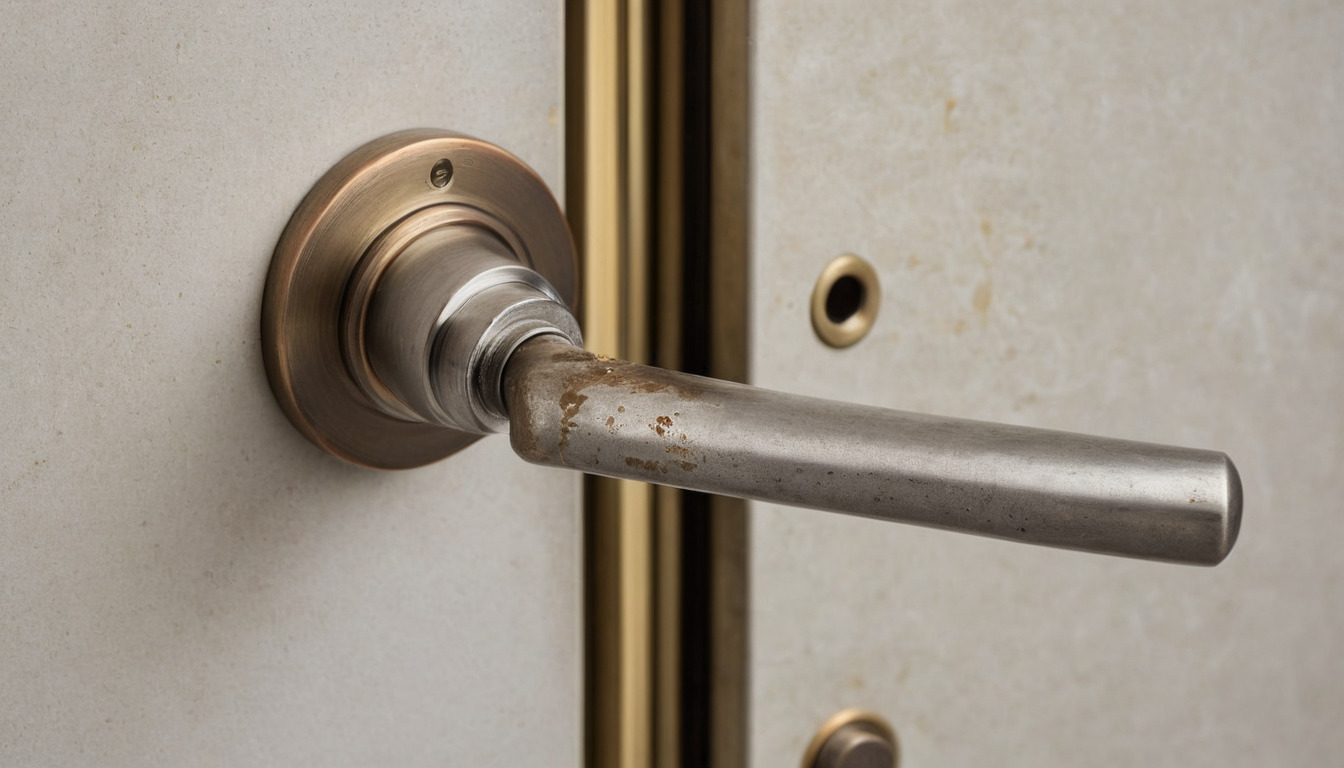
Ironmongery is easy to overlook in a specification. For external doors and any door on a terrace, balcony or pool deck, consider a corrosion-rated assembly and confirm each exposed component's material in writing rather than accepting "stainless finish", which is a colour description and not a material.
Internally the constraint relaxes, but bathrooms and kitchens are still high-humidity rooms with chloride from skin contact and cleaning products. Compare the maker's cleaning, moisture and warranty requirements for the selected product.
Balustrades, screens and external metalwork
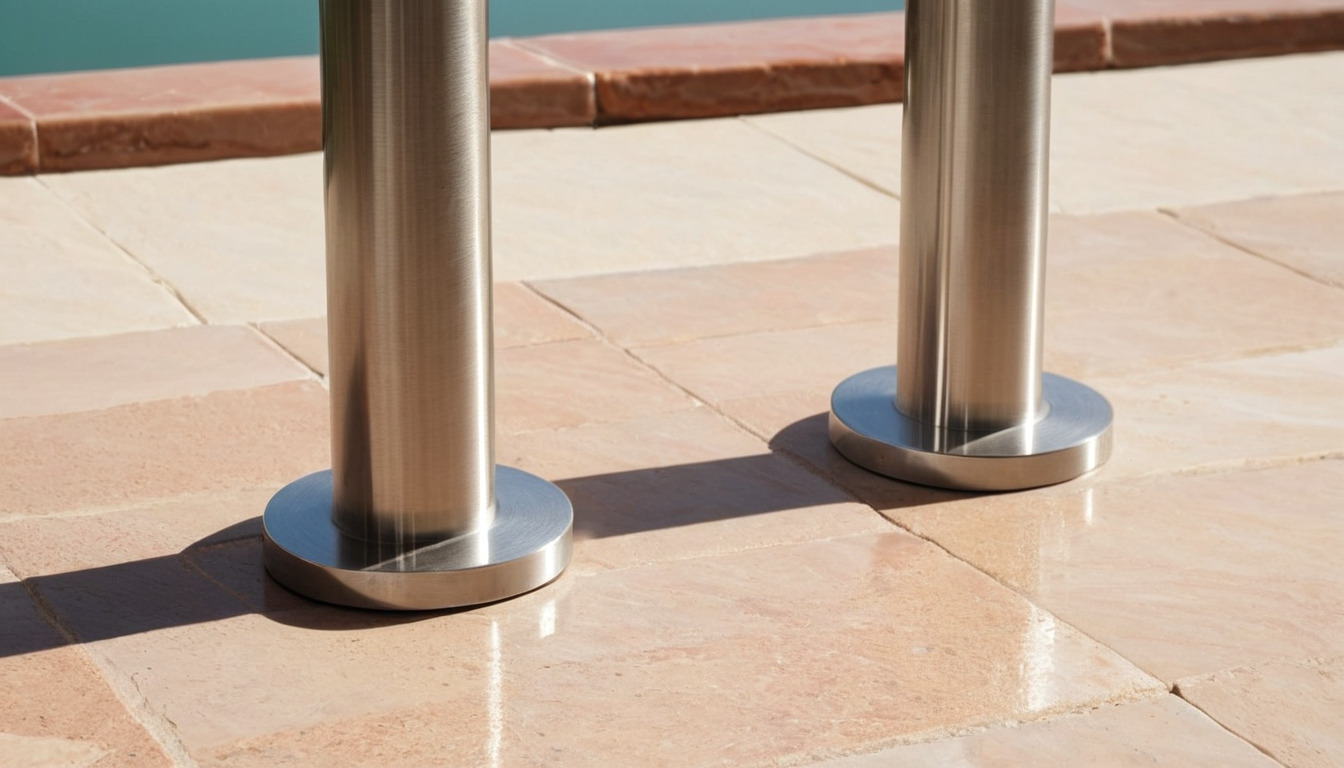
- Balustrade glass fixings are safety-critical. Have an engineer specify the complete fixing system for loads and exposure, rather than assuming a stainless grade alone is sufficient.
- Perforated screens and louvres in aluminium need a coating system selected for the exposure. Ask for the pretreatment, coating and maintenance specification.
- Welds and cut edges need the finishing and corrosion protection required by the selected metal and coating system.
- Drainage in hollow sections prevents a salt reservoir sitting inside a tube. Ask how any hollow section drains without weakening the approved detail.
What maintenance actually buys you
Cleaning can reduce deposits on exposed metalwork. Follow the product maker's cleaning method and interval; site exposure and access determine the maintenance schedule.
Avoid chloride-based cleaners and acidic descalers on stainless. They attack the passive layer that makes stainless stainless, and the resulting staining looks like a material defect rather than a cleaning error.
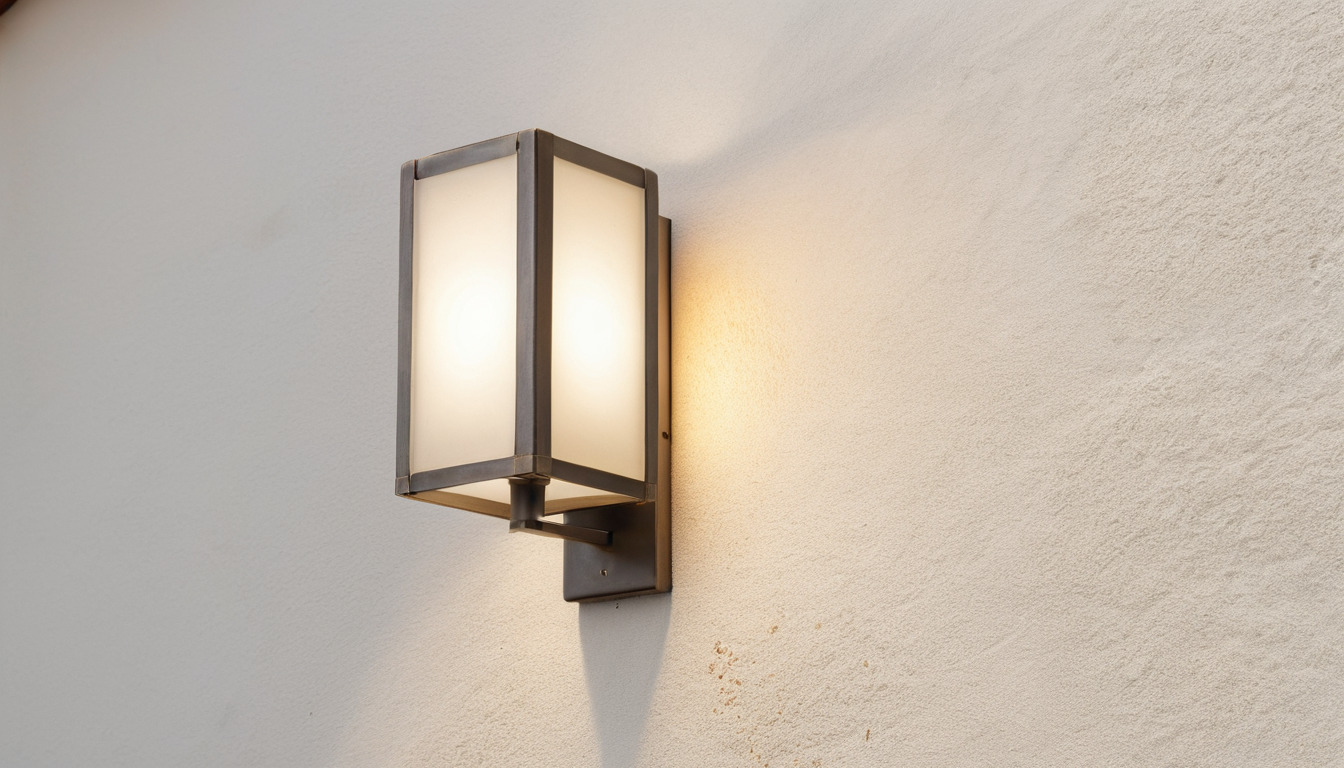
If you are buying a resale villa on the waterfront, inspect the underside of balcony rails and the fixings around external lights before you inspect the kitchen. Record visible corrosion and ask for maintenance records and the original material specification.