Include services, moisture and safety checks alongside paint and finish defects.
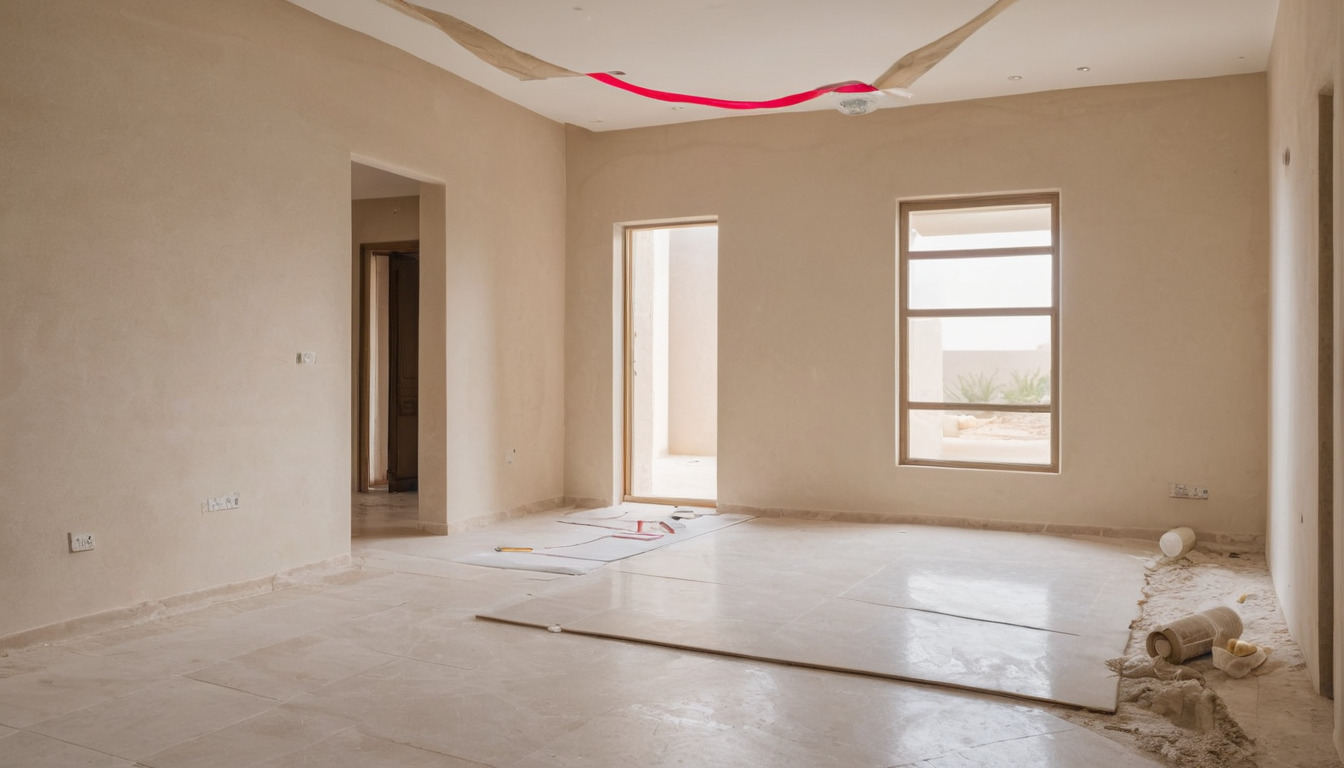
Record cosmetic defects as well as problems with services, moisture and installation. An inspection should cover both visible finishes and accessible building systems.
Snag before you accept the property and before your own contractor starts work. Once works begin, distinguishing a developer defect from damage caused by your contractor becomes an argument you will probably lose.
Climate-related defects to look for
0 of 7 checked
Services — open things and look
0 of 7 checked
Build quality
0 of 7 checked
Handover documents to collect
0 of 8 checked
Follow the retention and payment terms in your contract. Record outstanding defects, responsibilities and completion dates; obtain professional advice if payment or acceptance is disputed.
How to run the inspection
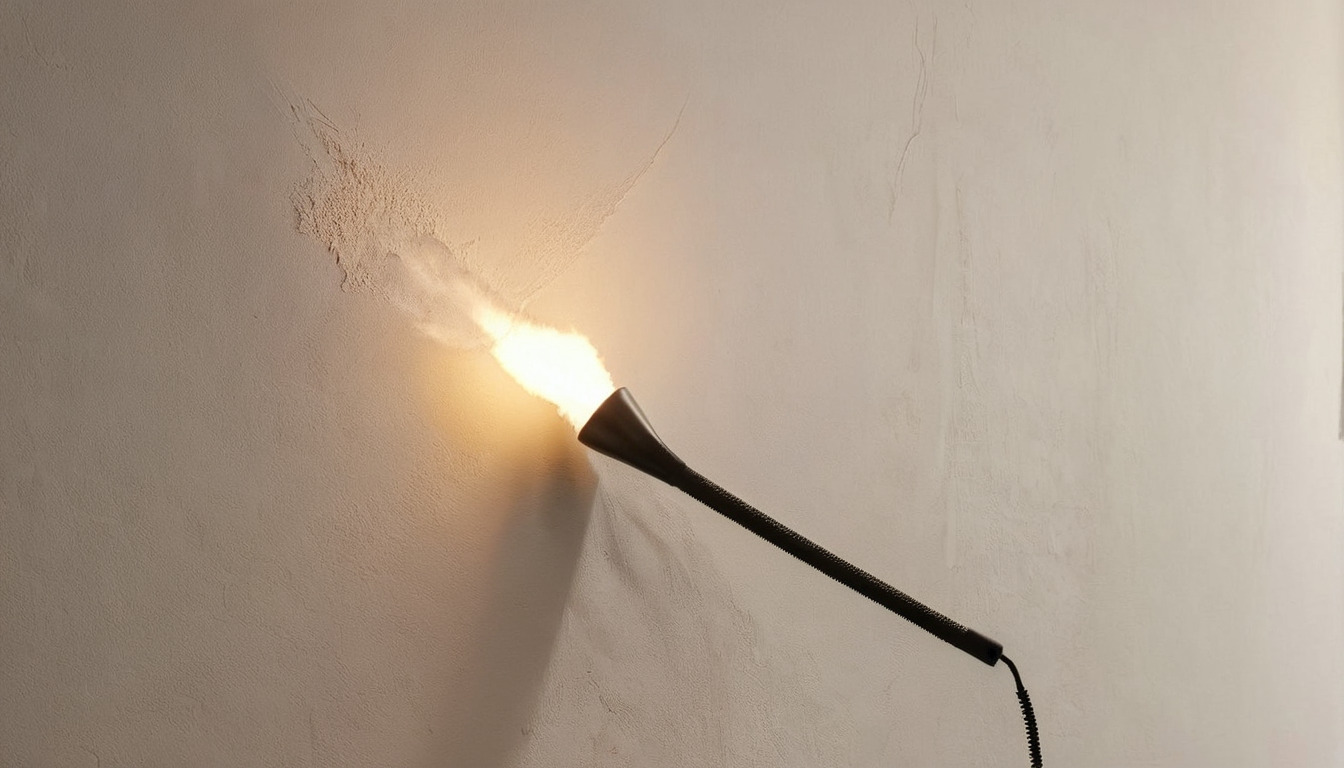
- Go in the evening with a torch, or on an overcast day. Raking light reveals surface defects that bright daylight hides.
- Work room by room and wall by wall, in the same order every time, so nothing is skipped.
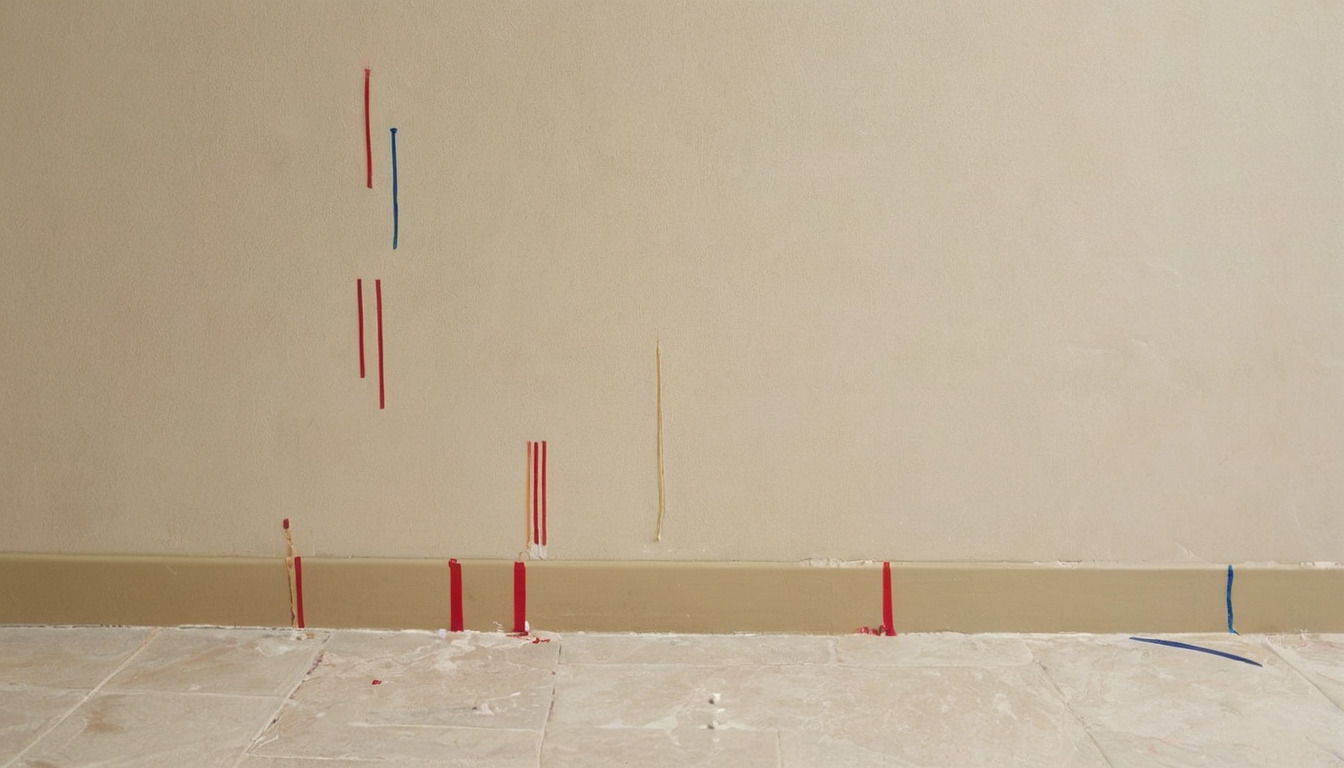
- Mark defects on the property itself with tape, and photograph each mark in context.
- Run every tap, flush every WC, switch every light, operate every door and window.
- Run the air conditioning for at least an hour and then check the condensate drains and the room temperatures.
- Have the inspector open only panels they are authorised and qualified to inspect.
- Produce one numbered list with a photograph per item, and require a signed response with dates.
If the property is a resale rather than a new handover, the same list applies with more weight on services and less on cosmetic finishes — see the resale advice in the Emirates Hills guide for why services dominate that decision.