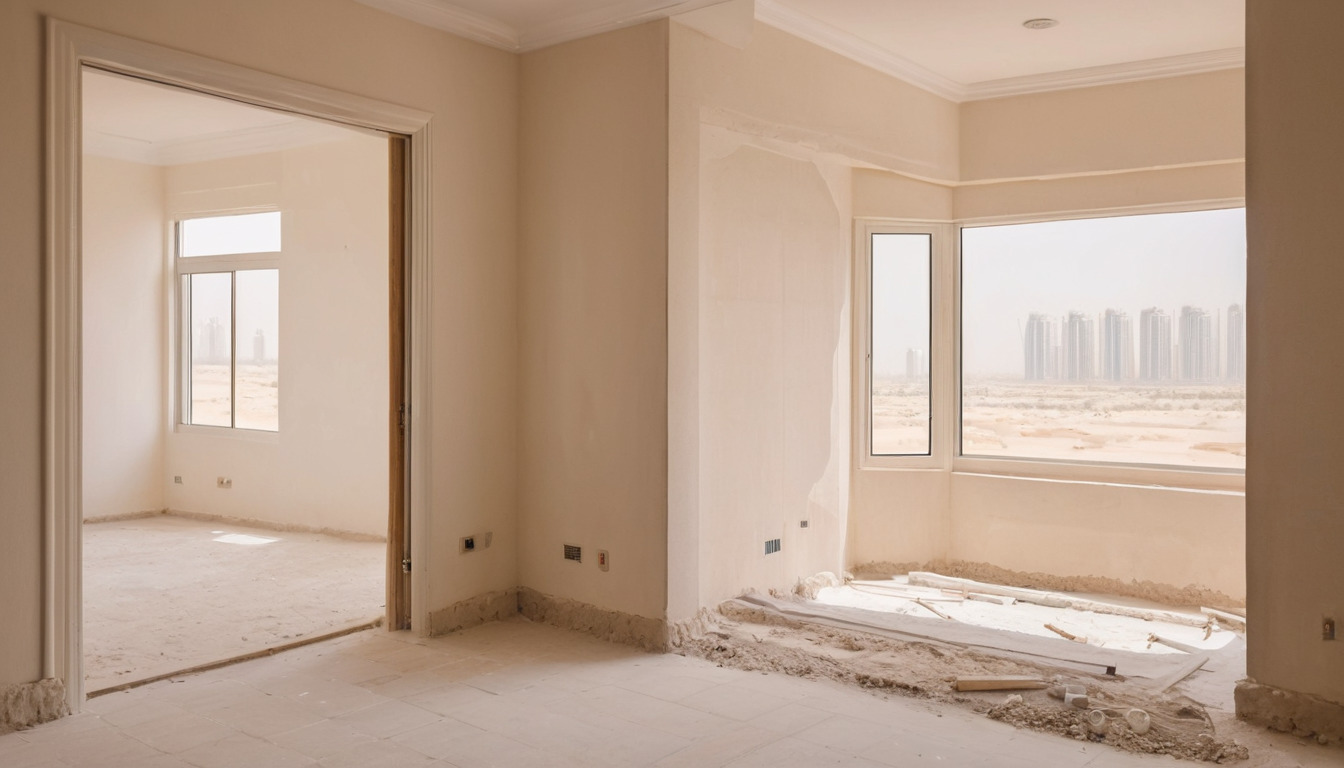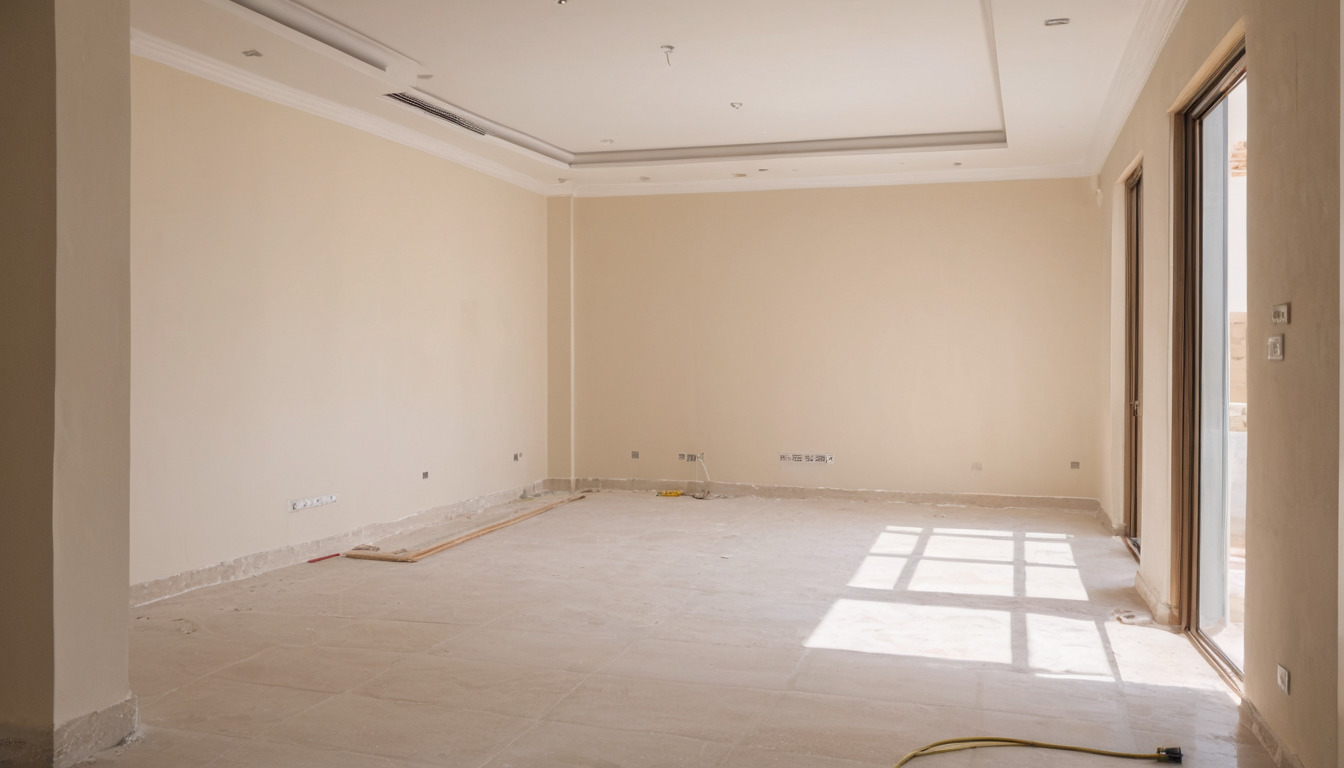
Projects do not run late because construction is slow. They run late because a decision, a document or a delivery was needed three weeks before anyone asked for it.
The stages below are the same for a villa and an apartment; only the durations differ. What varies most between projects is not the work — it is how much of the programme is spent waiting.
The stages
| Stage | What happens | Main risk to the programme |
|---|---|---|
| Brief and survey | Establish the brief, measure the property, verify existing services | Designing against assumed dimensions that the survey later contradicts |
| Concept design | Space plan, layout options, direction on finishes | Too many options kept open too long |
| Design development | Elevations, joinery details, schedules, specification | Changes here are cheap; the same changes later are not |
| NOC and authority submission | Developer no-objection certificate, then the Trakhees permit | Incomplete documentation; the wrong authority; design changed after filing |
| Tender and appointment | Contractors price an identical scope; contract signed | Comparing quotes against different scopes |
| Procurement | Long-lead items ordered | Ordering after the design is frozen rather than as it freezes |
| Construction | Strip out, first fix, finishes, second fix | Trades sequenced wrongly, or a delivery not on site when needed |
| Snagging | Defects list raised, made good, re-inspected | Starting the list too late to close it |
| Completion and handover | Final clean, completion certificate, as-builts, final account | Documentation not matching what was built |
Approvals run in parallel with design — if you plan it
Processing time depends on the permit, document set, reviews and project scope; request a current estimate from the authority. The delay comes from starting it late, or from starting it with an incomplete set.
The efficient sequence is to identify the authority and gather the general documents — title, NOC requirements, registrations — while the design is still being developed, so that submission happens the moment the drawings are frozen rather than weeks afterwards.
Confirm which design decisions must be settled for submission. Changes to the approved scope may need further review before construction.
Procurement is the real critical path
On a villa with imported stone, custom joinery, specialist lighting and made-to-order furniture, the longest single lead item determines the completion date — not the construction. Ordering those items is therefore a design-stage activity, not a construction-stage one.
- List every item with a lead time longer than four weeks as soon as the specification is drafted.
- Place those orders against a frozen specification, even if other parts of the design are still moving.
- Confirm the delivery date in writing and confirm what happens if it slips.
- Arrange storage for anything arriving before the site is ready.
- Order samples and confirm batch availability before committing to a finish that may not be repeatable.
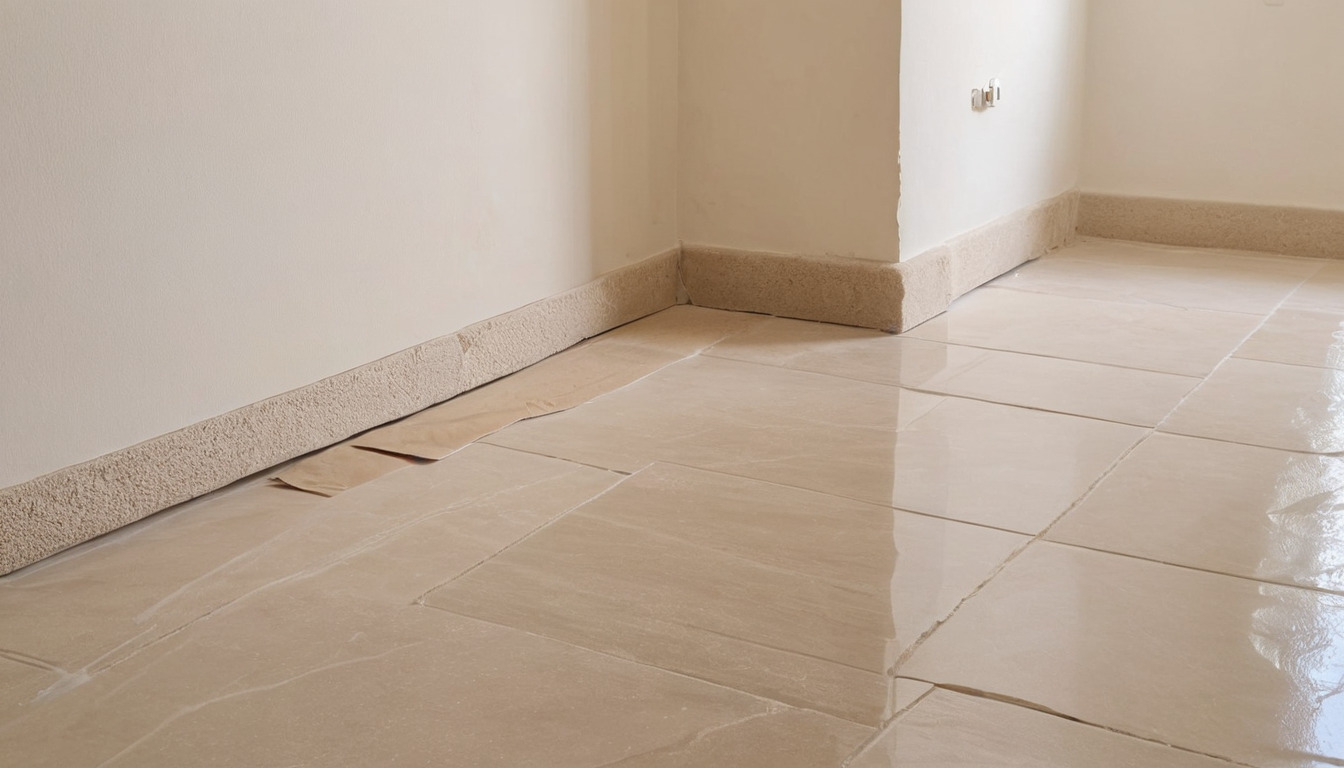
A tile that is discontinued between sample approval and delivery becomes a whole-floor substitution. This is a real and recurring failure mode, and the defence is to confirm availability and reserve the batch.
Construction sequencing
The order of trades is not a preference, it is a dependency. The common failures all come from doing something out of sequence:
- Tiling before the screed has dried traps moisture under an impermeable finish and weakens the adhesive.
- Painting before the second fix means the decorator returns to touch up around every socket and fitting.
- Laying a timber floor before the wet trades are complete exposes it to water and to site traffic.
- Closing a ceiling before the MEP inspection means opening it again.
- Installing joinery before the floor finish is decided forces a scribe that may not be possible.
A competent contractor sequences this correctly by default. The reason to understand it is so you can recognise when a programme has been compressed to the point that steps will be skipped — which is usually how a defect appears that nobody can trace back.
Where the weeks actually go
| Cause | Typical cost in time | How to avoid it |
|---|---|---|
| Design changed after authority submission | Further review; confirm timing | Freeze before filing |
| Long-lead item ordered late | Weeks to months | Order during design development |
| Contractor not registered with the authority | Weeks — re-appointment needed | Verify registration before signing |
| Missing NOC conditions discovered on site | Days to weeks | Get conditions in writing up front |
| Access not booked in a tower | Days, repeatedly | Agree lift and hours with building management early |
| Substitution needed for an unavailable finish | Days to weeks | Confirm batch availability and reserve it |
| Defects found at snagging | Days to weeks | Start the snag list before the end of construction |
Every one of those is avoidable with information rather than money, which is why they are the most frustrating category of delay. The handover checklist turns them into items you can tick off.